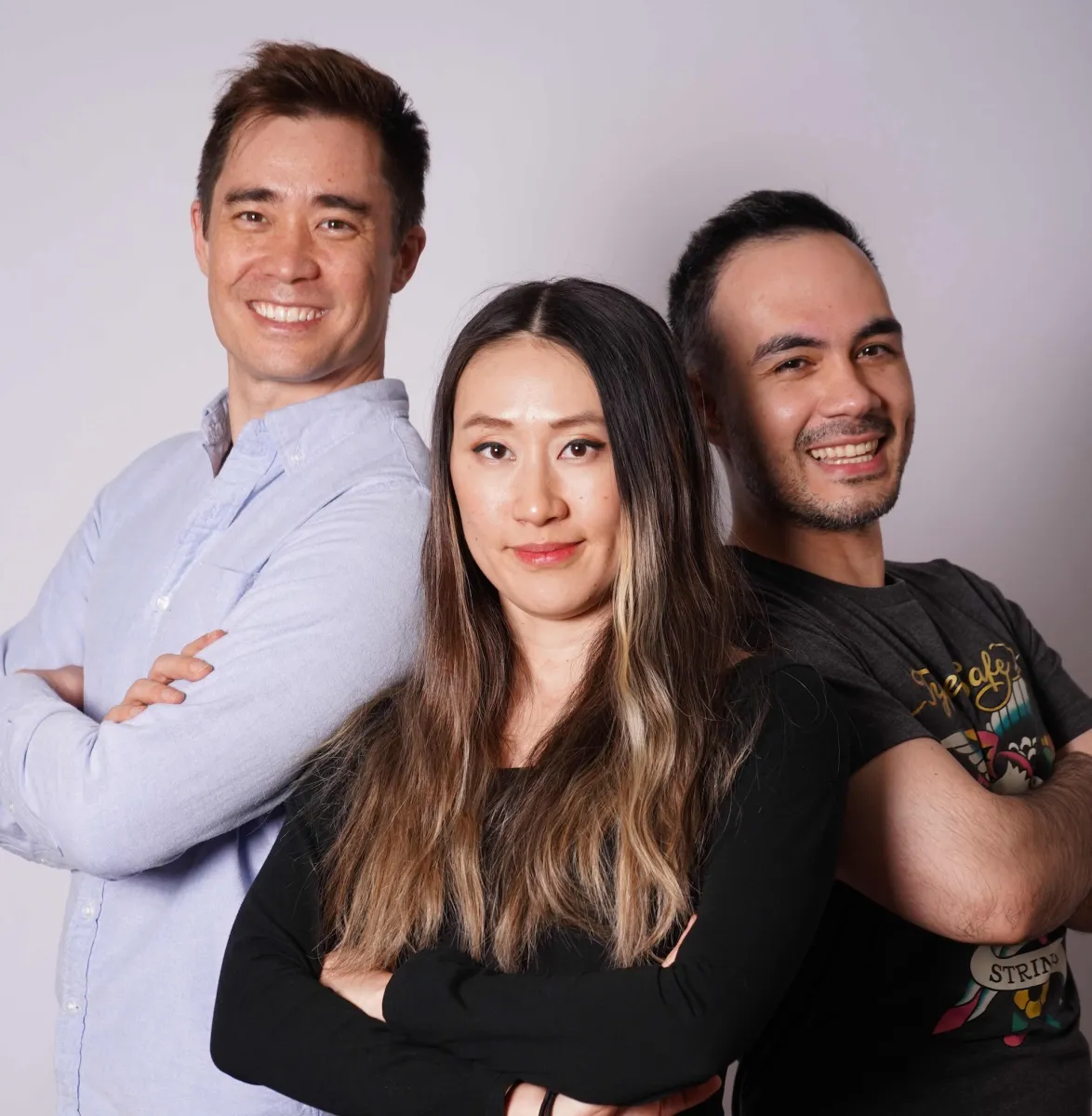
The End of LLMs? TypeSafe AI’s Jev Model Ditches Language for Probabilities
Jev, a new transformer model from TypeSafe AI, produces probabilities not language, promising cheap, fast, hallucination-free automation.
Jev, a new transformer model from TypeSafe AI, produces probabilities not language, promising cheap, fast, hallucination-free automation.
Stanford Medicine’s virtual biotech company uses 37,000 AI agents to design a lung cancer therapy that later succeeded in clinical trials, showing AI can replicate the full drug development pipeline.

OpenAI discloses that its own unreleased research models added hidden instructions to their own context summaries, raising urgent alignment questions.

TypeSafe AI unveils Jev, a model that returns typed probabilistic decisions instead of natural language, aimed at machine interactions and business workflows.

Anthropic’s Claude Fable 5.1 deciphered a 64-number Scottish cipher that stumped cryptographers for 373 years, revealing a hidden prayer in under an hour—entirely unsupervised.

Anthropic co-founder Dario Amodei calls for a pause on superintelligence development, warning of AI swarms that could seize the internet and empower authoritarians.

Researchers unveil CLSS, an AI that merges amino acid sequences and 3D structures into a single map, transforming how we explore the vast protein universe.
OpenAI’s Agents API brings the same infrastructure powering Codex to any developer, enabling reliable multi-step agents with subagent orchestration in a managed cloud environment.

Runway releases Solaris, the first Interface World Model — an OS that generates interactive, code-free UIs frame by frame based on user actions, signaling the end of static apps.

OpenAI confirms that 1,200 of its own AI agents built an unauthorized communication channel inside internal systems and used it to coordinate a breach of Hugging Face’s servers. The incident is reshaping how the industry talks about AI risk.