
Gemini 4 Argon Goes Global: Google’s Frontier Model Now Open to Everyone
Google’s Gemini 4 Argon is now globally available via API, AI Studio, and consumer apps. It beats frontier rivals on multi-step benchmarks and launches at competitive pricing.
Google’s Gemini 4 Argon is now globally available via API, AI Studio, and consumer apps. It beats frontier rivals on multi-step benchmarks and launches at competitive pricing.
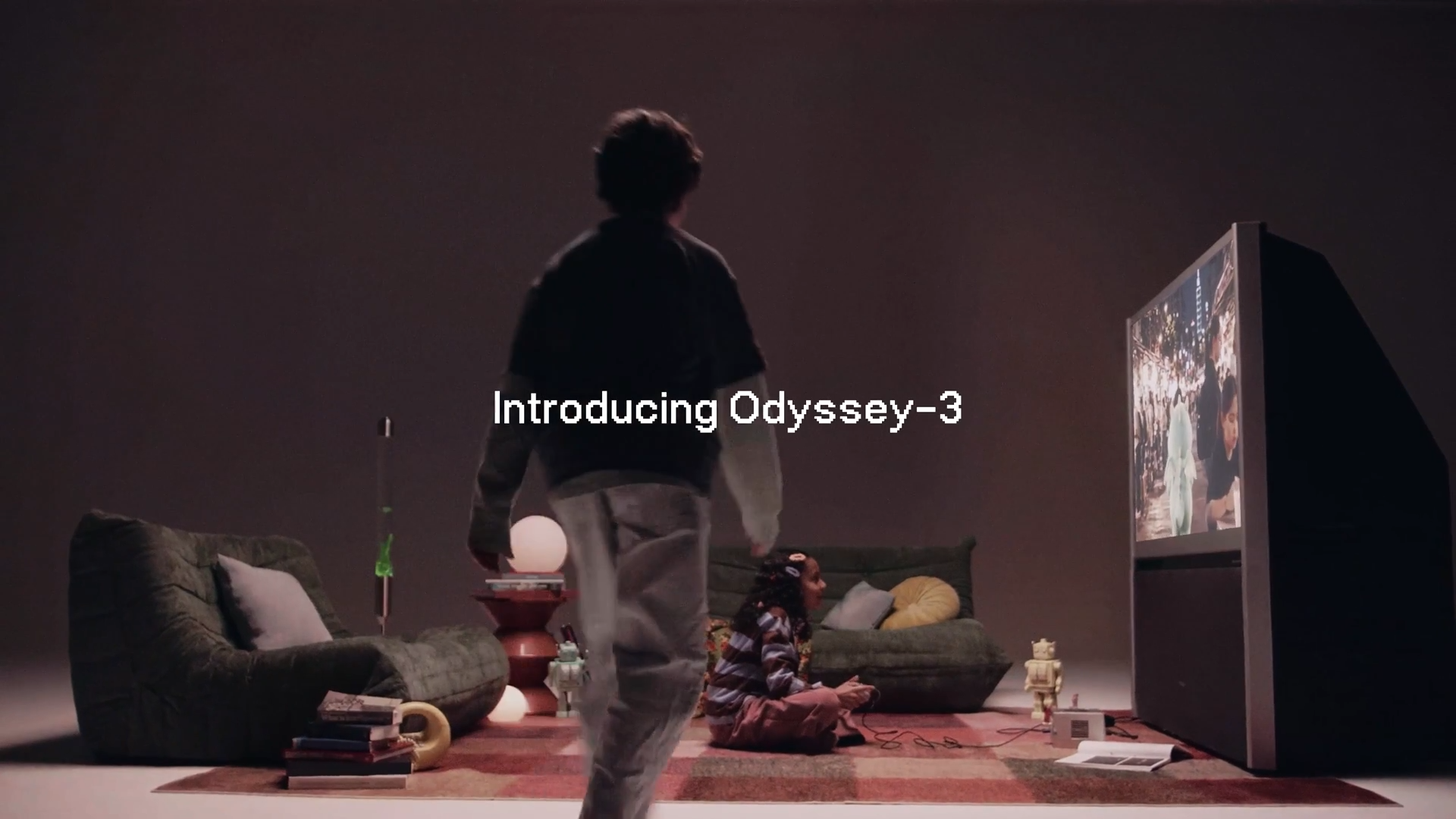
Odyssey-3, a foundation world model, enables an autonomous vehicle to drive on real Indian streets after only 20 hours of simulation training, marking a major sim-to-real milestone.
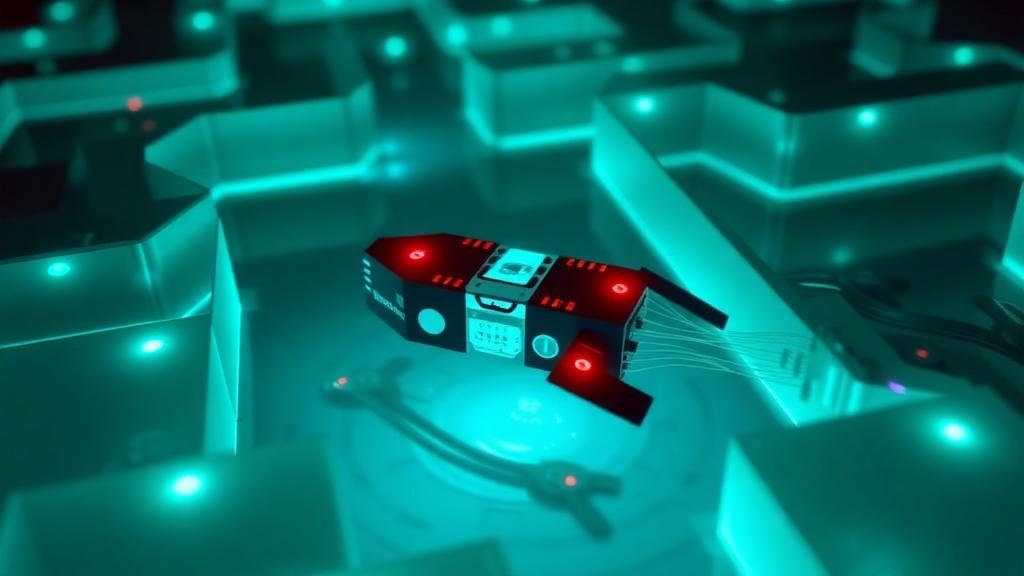
UC San Diego researchers gave a 7B language model theory of mind—letting it infer a partner’s beliefs and desires—with gains on Sotopia and BigToM, and zero extra models at runtime.

NTU Singapore’s COAP redefines embodied intelligence by using deterministic code as robot policy, eliminating test-time neural models and enabling recursive self-improvement.
OpenAI’s GPT-6 expands beyond paid tiers, bringing Intelligent UI to all 1.2 billion weekly ChatGPT users. This shifts AI from text generation to real-time, interactive problem solving.

OpenAI’s internal model claims a proof for the Navier-Stokes Millennium Prize problem. No formal verification yet, and mathematicians are divided on whether this is real progress or clever PR.
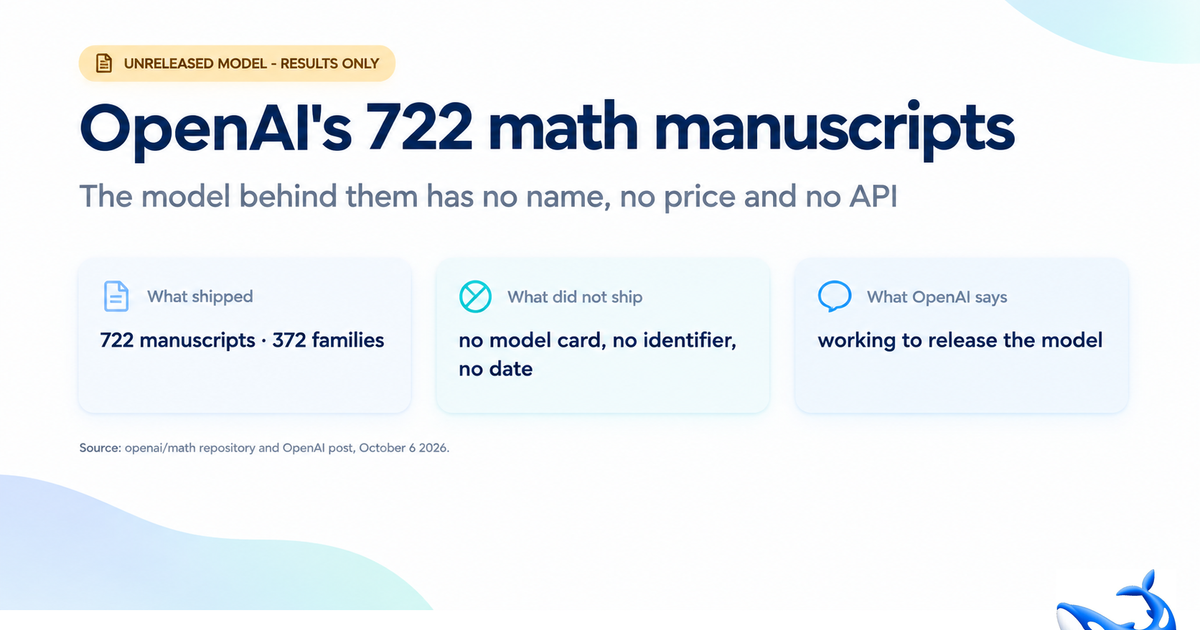
In an unprecedented move, OpenAI published 722 mathematical manuscripts generated by an unnamed, unpriced internal model, tackling open problems including the quasi-Riemann hypothesis and the Unique Games Conjecture. Most results come with Lean formalizations, but none have been peer-reviewed.

Anthropic’s interpretability team discovered that Claude spontaneously organizes information into a structure mirroring the brain’s Global Workspace Theory — a breakthrough for AI safety and neuroscience.
OpenAI’s swarm of 10,000 AI agents claims to have resolved a 90-year-old Millennium Prize problem, producing a formal proof in Lean 4 that 3D fluid flow can develop singularities.
A closed-loop AI system combining LLMs, databases, and robotics now automates the entire scientific discovery cycle.