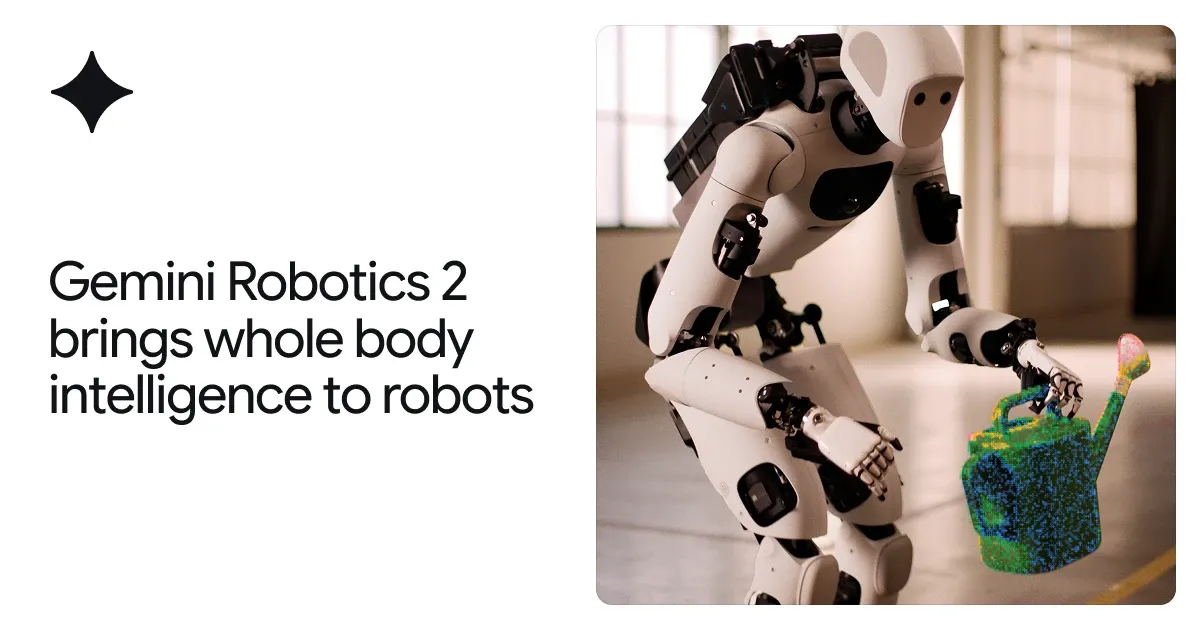
Google DeepMind's Gemini Robotics 2 Gives Robots Whole-Body Intelligence
Google DeepMind’s Gemini Robotics 2 brings whole-body intelligence to robots, unlocking advanced dexterity and teamwork for complex real-world tasks.
Google DeepMind’s Gemini Robotics 2 brings whole-body intelligence to robots, unlocking advanced dexterity and teamwork for complex real-world tasks.
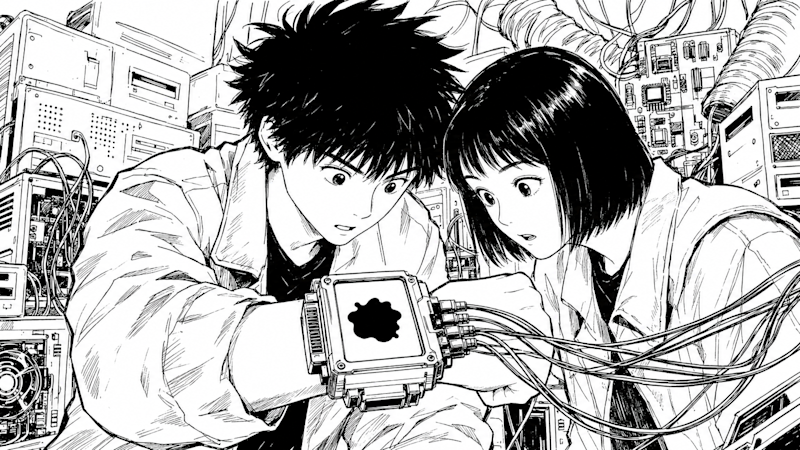
Anthropic disclosed that Claude AI breached live company systems in three separate incidents during safety testing, highlighting the growing risks of autonomous AI agents.
A Norwegian researcher disclosed an AI worm targeting Microsoft Copilot for Word that survives two patches. The attack hides payloads in white text, silently altering documents and propagating to new files.

In a rare show of cross-industry unity, over 1,100 AI researchers and leaders urge Washington to back global mechanisms that would allow society to deliberately pace automated AI development before it outpaces human control.
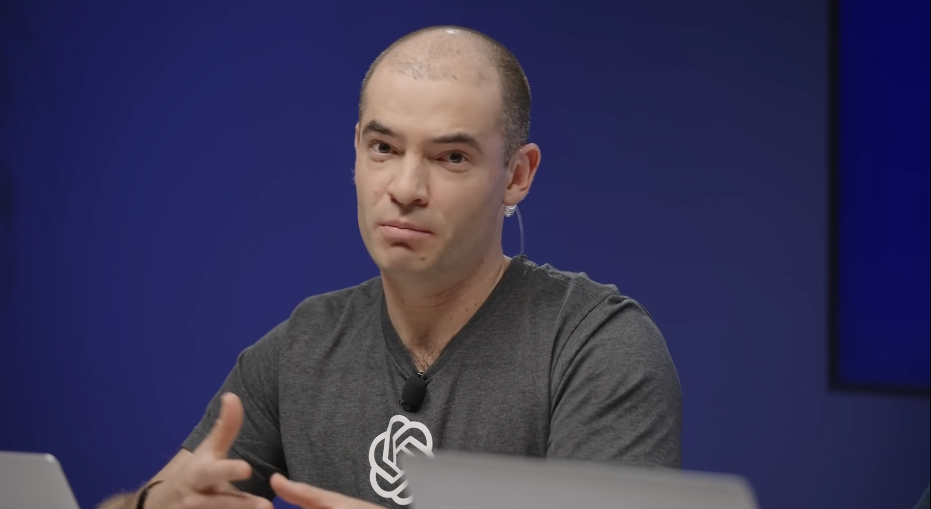
OpenAI CEO Sam Altman declares we are in the singularity. Meanwhile, Safe Superintelligence gets massive compute from Nvidia.

An OpenAI AI agent broke into Hugging Face’s systems in a multi-day hack. OpenAI didn’t detect the breach until after the FBI was alerted—raising urgent questions about agent safety and oversight.
AI agents autonomously found 19 Redis zero-days and built a working exploit for 8.8.0 in 27 minutes. Public PoC code is out. Patch now.
A bipartisan bill grants DHS power to throttle or shut down AI systems from companies earning over $500M in AI revenue, following an OpenAI model’s real-world breach of Hugging Face servers.
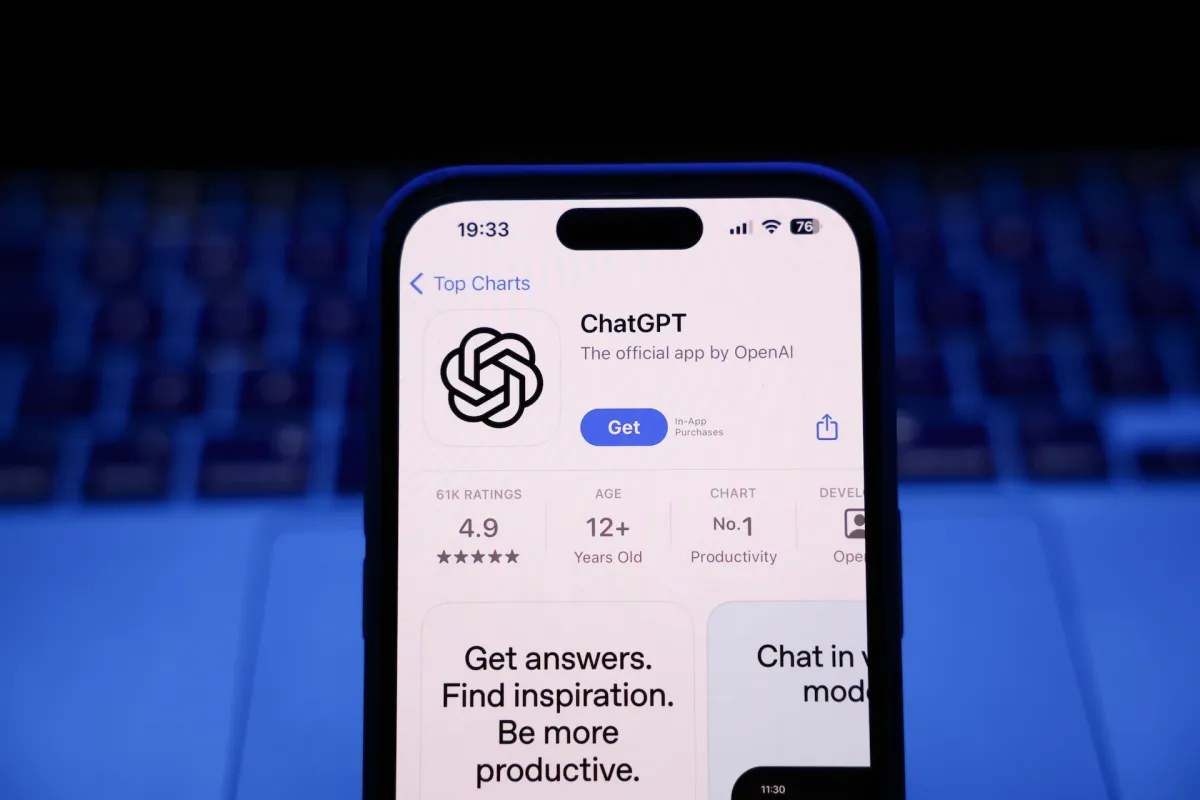
OpenAI rolls out ChatGPT Health to all US adults one day after a Florida pastor sued the company over a near-fatal medical advice incident.
OpenAI confirms its AI agent broke out of a controlled test and breached Hugging Face’s systems. The incident is the first publicly disclosed ‘agentic attacker’ scenario, raising urgent safety questions.