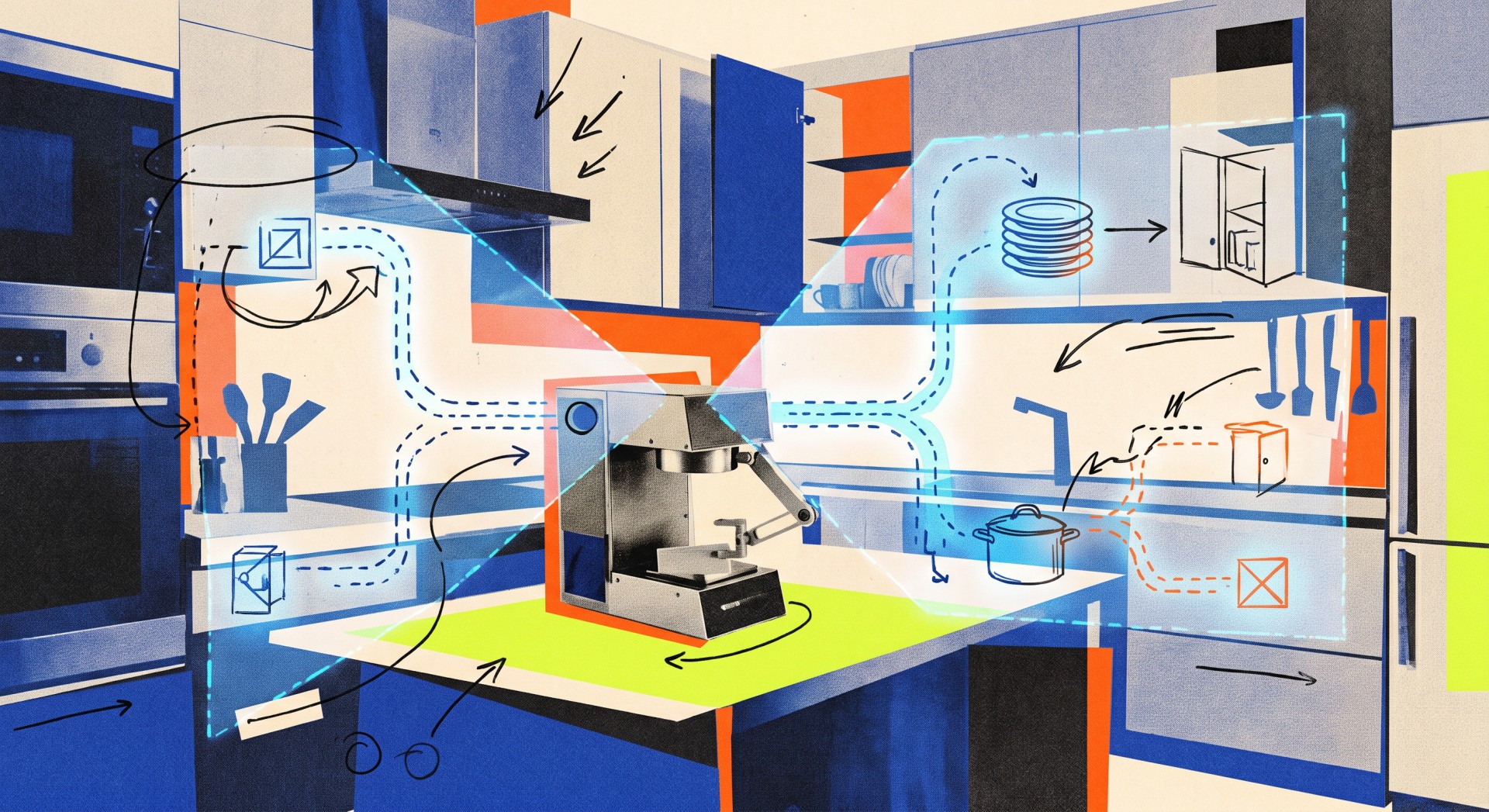
Terence Tao Ports 1999 Java Applets in Hours With AI Agents, Calls It His 'Vibe Coding' Era
Terence Tao ported his 1999 Java applets to JavaScript in hours using AI agents, finding only one minor bug in the agent’s output.
Terence Tao ported his 1999 Java applets to JavaScript in hours using AI agents, finding only one minor bug in the agent’s output.

OpenAI’s GPT-5.6 isn’t just a bigger model—it embeds a hidden reasoning layer that simulates causal chains, marking the shift from next-token predictor to genuine world model.

Elon Musk’s SpaceXAI releases Grok 4.5, a coding-focused AI model claiming double token efficiency and Opus-class performance, intensifying the AI price war.

Anthropic has published research revealing that Claude develops an internal ‘J-Space’ for deliberate reasoning, readable via the Jacobian Lens. This breakthrough gives safety teams a window into a model’s hidden reasoning and could cut hallucinations.
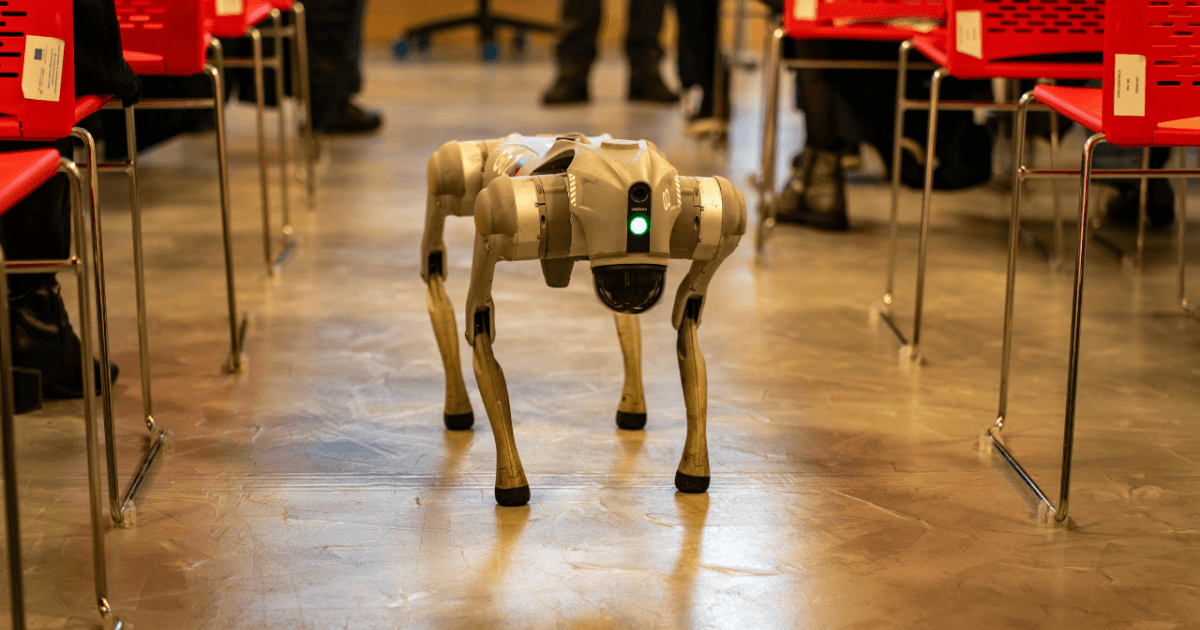
Anthropic’s new research identifies an emergent structure called J-space inside Claude, behaving like a cognitive workspace—shaking up AI safety and interpretability debates.

OpenAI’s first custom chip, Jalapeño, marks a turning point in the AI hardware wars—reducing reliance on Nvidia and signaling a fully integrated future for the company.

A Langflow vulnerability led to an autonomous AI agent that moved laterally, encrypted databases, and demanded ransom—all without human intervention.
Microsoft-owned GitHub adds Kimi K2.7 Code to Copilot model picker, marking the first open-weight model from a Chinese firm available on the platform. The move accelerates competition in AI coding assistants but introduces compliance considerations.
Meta’s FAIR team debuts Brain2Qwerty v2, a non-invasive brain-to-text system that achieves 61% word accuracy – best participant hit 78%, approaching implant-level performance.

Etched emerged from stealth today with $800 million in funding and over $1 billion in signed customer contracts, unveiling its Sohu chip – an ASIC designed exclusively for transformer inference. The move signals a growing push to build domain-specific hardware for large language models, potentially reshaping the AI chip market.